The Ultimate Source for Comprehending Pet Dog Training Approaches and Finest Practices
Comprehending dog training approaches and ideal practices is important for any pet dog owner. Numerous techniques exist, each with unique benefits and obstacles. Favorable support has actually become a popular approach, yet lots of false impressions continue. Checking out these approaches can brighten efficient techniques and reveal the nuances of canine habits. As the trip unravels, one may uncover very useful sources that enhance both training and the bond with their pet. What insights await those happy to discover further?
Comprehending the Basics of Dog Training
Reliable canine training hinges on a strong understanding of its basic principles. At its core, pet dog training entails teaching a canine to react to commands and act suitably in numerous circumstances. This process needs consistency, persistence, and favorable reinforcement, which encourages wanted actions while preventing unwanted ones.
Comprehending canine behavior is crucial, as it assists fitness instructors acknowledge just how pet dogs interact and discover. Factors such as socialization, atmosphere, and private character play significant functions in forming a pet's feedback to training. In addition, developing a bond based on count on and regard enhances the training experience for both the dog and the fitness instructor.
Clear interaction is essential, as canines react best to easy commands and signs. By laying a strong foundation rooted in these basic principles, trainers can effectively assist their pet dogs toward coming to be mannerly buddies. This understanding establishes the stage for checking out even more customized training techniques in succeeding conversations.
Popular Canine Training Methods Explained
In the domain name of pet training, different techniques have gained popularity among trainers and pet owners. Positive support methods concentrate on satisfying preferred actions, while clicker training offers a particular method to note those actions effectively. Understanding these techniques can enhance the training experience for both pets and their handlers.
Favorable Reinforcement Methods
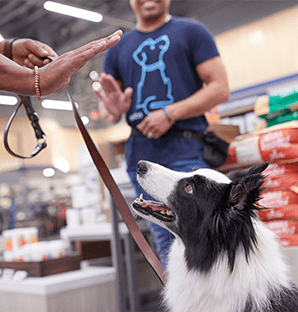
Positive reinforcement strategies have become a foundation of modern pet training, emphasizing the value of fulfilling preferable habits to urge their repetition. This approach concentrates on providing positive stimuli, such as treats, praise, or playtime, right away after the pet performs the desired activity. The underlying concept is that canines are most likely to duplicate behaviors that lead to favorable end results. Trainers usually utilize this approach to show commands, change behaviors, and develop trust fund between the pet dog and handler. Uniformity is crucial; incentives need to be prompt and certain to reinforce the association in between the actions and the reward. Overall, positive reinforcement advertises a healthy and satisfying knowing environment for both dogs and their owners, fostering a solid bond.
Clicker Training Essential
Many canine instructors incorporate remote control training as a popular approach to improve communication with their family pets. This strategy utilizes a small tool that discharges an unique clicking sound to mark wanted actions promptly. The click acts as a signal to the dog that they have carried out the correct action, adhered to by an incentive, usually a treat. Unlike other training techniques, remote control training stresses timing and consistency, which helps dogs recognize what is anticipated of them. Trainers commonly start with basic commands, slowly advancing to much more complicated jobs. This approach cultivates a favorable knowing atmosphere, strengthening the bond between pet and proprietor. As an outcome, remote control training is identified for its efficiency and flexibility across various canine breeds and training circumstances.
Positive Reinforcement: One Of The Most Effective Method
Positive reinforcement stands apart as one of the most reliable canine training strategies as a result of its countless advantages for both pet dogs and trainers. By satisfying preferred habits, proprietors can foster a positive understanding atmosphere that motivates their family pets to duplicate those activities. Common techniques, such as deals with, praise, and play, play an important function in successfully executing this approach.
Advantages of Positive Support
While different training approaches exist, favorable support has become among one of the most reliable methods for shaping preferred behaviors in pets. This technique encourages family pets to repeat beneficial activities by awarding them with treats, praise, or play. One considerable advantage is the establishment of a strong bond between the trainer and the pet, fostering trust and teamwork. Additionally, favorable reinforcement decreases worry and stress and anxiety, promoting an extra enjoyable understanding atmosphere. It improves the pet dog's general well-being, as they find out in a hassle-free environment. Moreover, canines trained with favorable support tend to exhibit much better retention of discovered behaviors, leading to lasting obedience and enhanced socialization. Inevitably, this approach supports an unified connection in between canines and their proprietors.
Typical Strategies Discussed
Discovering different training approaches exposes that favorable support stands apart as the most reliable strategy for pet training. This method concentrates on gratifying wanted actions, making it less complicated for pet dogs to associate actions with favorable outcomes. Rewards, praise, and play offer as incentives, encouraging pet dogs to duplicate good actions. Unlike punishing approaches, positive support promotes a trusting connection in between pet dog and proprietor, minimizing concern and anxiety. In addition, this strategy has actually been more info here shown to enhance a dog's excitement for understanding. Typical practices include clicker training, where a distinct noise notes the wanted actions, and using high-value incentives for tough tasks. Overall, favorable support not just promotes reliable training but also supports a well-adjusted and satisfied canine buddy.
Common Myths Concerning Canine Training Debunked
Many pet proprietors fall target to typical misconceptions regarding training, commonly resulting in complication and frustration. One widespread misconception is that a pet's behavior is solely identified by breed, recommending that particular breeds are naturally tough to educate. In truth, private individuality and training techniques play an even more significant function. Another false impression is that penalty is required for effective training. Nevertheless, positive reinforcement has shown to be much more reliable in cultivating wanted actions. Additionally, some think that older canines can not learn new tricks, however dogs of any kind of age can adjust and learn with the right technique. Finally, the concept that training must be very easy and fast typically leads to impractical expectations. Effective training requires consistency, time, and persistence. By debunking these myths, canine owners can embrace extra reliable training strategies, bring about healthier partnerships with their pets and boosted habits generally.
Tips for Effective Dog Training Procedure
Successful canine training sessions are improved a structure of clear interaction and positive support, making sure that both the fitness instructor and the canine comprehend the expectations. To optimize efficiency, trainers must preserve a calmness and individual demeanor, as pets usually mirror human feelings. Uniformity is crucial; commands and signs should be applied consistently to avoid complication.
Short, focused training sessions, generally lasting 5 to 15 minutes, can boost retention and engagement. Incorporating a variety of exercises maintains the sessions promoting and protects against monotony. Utilizing high-value deals with or toys can strengthen and motivate the dog preferred behaviors.
Timing is vital; rewards should be offered promptly after the preferred habits to establish a clear connection. Lastly, ending each session on a favorable note, with appreciation or play, cultivates a sense of accomplishment and enthusiasm for future training. These approaches jointly contribute to effective and delightful training experiences.
Constructing a Stronger Bond With Your Pet Via Training
A strong bond in between a canine and its proprietor can substantially boost the training experience. This partnership fosters count on, making the pet more receptive to discovering. Participating in consistent training sessions allows proprietors to connect efficiently with their pets, enhancing positive habits while constructing mutual respect.
Positive reinforcement techniques, such as deals with and appreciation, strengthen this bond, encouraging dogs to associate training with pleasurable experiences. On top of that, including play right into training can make discovering enjoyable, enhancing the psychological connection.
Comprehending a pet dog's body language is additionally important; it gives understandings into the pet's convenience and willingness to involve. When owners react properly to their pet dog's signals, they grow a sense of safety and security and understanding.
Eventually, investing time in training not only enhances obedience however additionally grows the psychological ties between pet dogs and their owners, resulting in a harmonious and satisfying partnership.
Resources for Proceeded Knowing and Support
To enhance their pet dog training trip, proprietors can access a range of resources that give continuous knowing and assistance. Dog Training Near Me. Online platforms such as courses, forums, and webinars enable family read what he said pet proprietors to get in touch with knowledgeable fitness instructors and fellow canine enthusiasts. Sites like the Association of Expert Canine Trainers (APDT) provide important posts and ideas on diverse training techniques
Books authored by trustworthy instructors work as superb overviews for recognizing numerous methods and viewpoints. Local recreation center and family pet stores typically organize training courses, giving hands-on experience and socializing chances for both pet dogs and their proprietors. Furthermore, social networks teams can useful source use real-time recommendations and support, producing a supportive network.
Podcasts focused on pet dog training topics can additionally be a practical way for proprietors to soak up new details while on the go. With each other, these resources cultivate continual knowing, making sure that canine owners remain equipped to nurture their canine companions effectively.
Frequently Asked Questions
How much time Does It Require To Train a Canine Efficiently?
The time called for to educate a canine efficiently differs especially, depending upon elements such as the canine's age, breed, personality, and the uniformity of the training approaches utilized. Generally, it can take several weeks to months.
Can I Train My Canine Myself or Should I Hire a Professional?
Determining whether to educate a canine separately or employ an expert depends on the owner's experience, the pet dog's personality, and specific training requirements. Dog Training Near Me. Both strategies can be reliable, however advice might enhance the procedure significantly
What Age Is Best for Beginning Dog Training?
The most effective age for starting pet training typically drops between 8 to 16 weeks. At this phase, young puppies are most responsive to finding out, making it a suitable time to establish fundamental abilities and socialization.
How Do I Remedy Unwanted Habits in My Dog?
To deal with undesirable behaviors in a pet dog, consistency is key. Strategies such as positive support, redirecting focus, and establishing clear commands aid direct the pet towards a lot more preferable activities, fostering much better actions in time.
Exist Details Breeds That Are Easier to Train?
Specific types, such as Boundary Collies, Poodles, and Labrador Retrievers, are typically taken into consideration simpler to train as a result of their knowledge and willingness to please. However, private personality and proprietor consistency also considerably influence training success.
Comprehending pet dog training techniques and ideal techniques is important for any type of pet dog owner. Favorable support stands out as one of the most reliable pet training techniques due to its numerous benefits for both instructors and canines. Effective pet training sessions are developed on a structure of clear interaction and favorable support, guaranteeing that both the instructor and the canine recognize the expectations. The time required to train a pet efficiently varies significantly, depending on aspects such as the dog's age, breed, temperament, and the consistency of the training techniques made use of. Determining whether to train a dog independently or employ a professional depends on the owner's experience, the dog's temperament, and certain training demands.